When 'No' Becomes the Best Motivation
Getting cut from a team hurts. Getting cut by your own coach – the person who's supposed to see your potential and develop your talent – leaves a different kind of scar. It's the kind of rejection that either breaks you or builds something unbreakable inside you.
For these seven athletes, being told they weren't good enough became the foundation for greatness. Their stories prove that sometimes the most important moment in a champion's career happens when someone says they'll never be one.
1. Michael Jordan – The Cut That Created a Legend
The Rejection: As a sophomore at Laney High School in Wilmington, North Carolina, Jordan was cut from the varsity basketball team. Coach Pop Herring told him he was too small and needed to improve his fundamentals.
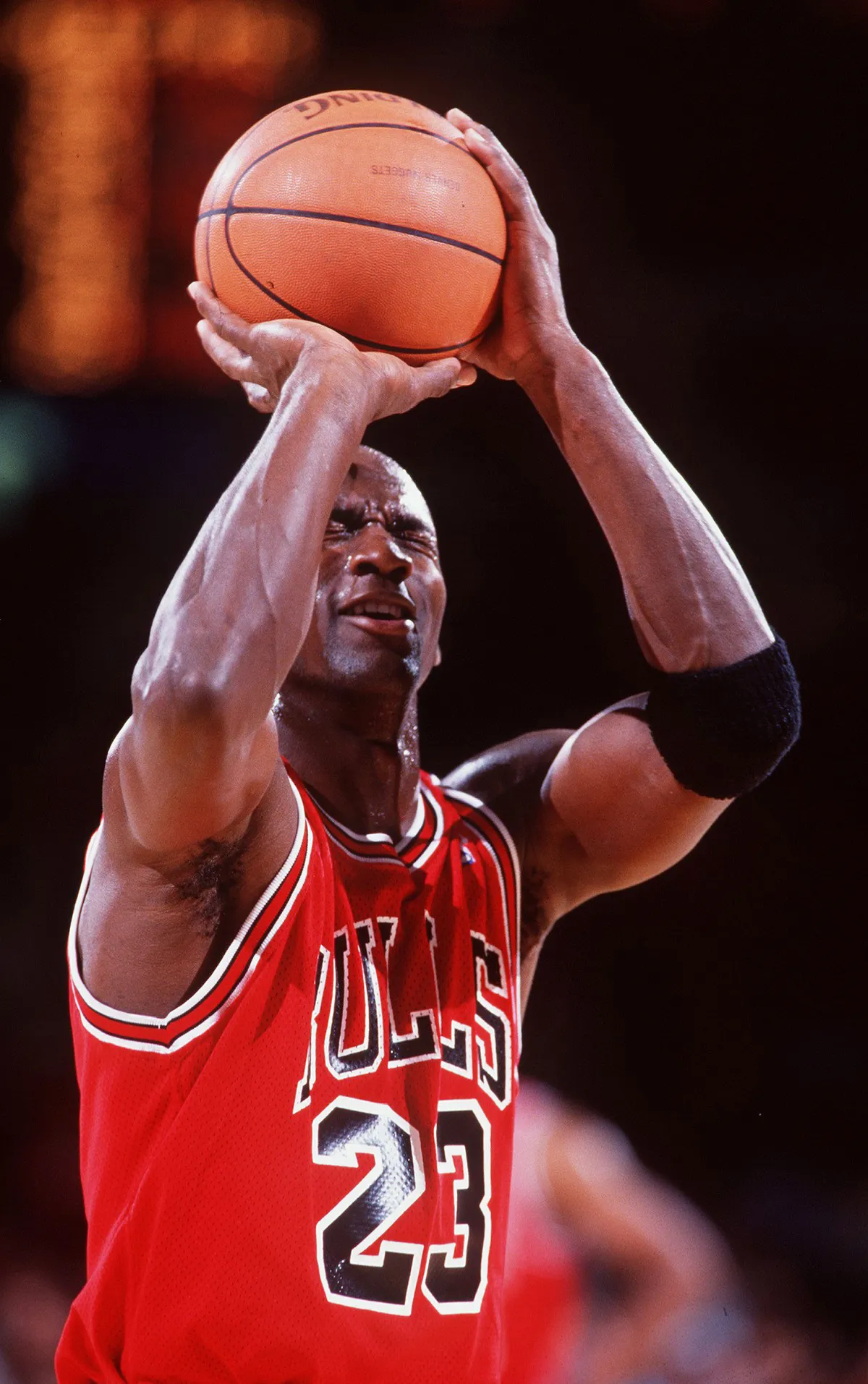 Photo: Michael Jordan, via a.espncdn.com
The Reality Check: Jordan was 5'10" and raw. The coach wasn't wrong about his current ability – he was wrong about his potential.
The Response: Jordan used the rejection as fuel for an obsessive work ethic. He'd arrive at school early to practice alone in the gym. He grew four inches and made varsity the following year, averaging 25 points per game.
"It was embarrassing not making that team," Jordan later said. "They posted the roster, and my name wasn't on it. I went through the list again and again, thinking there was a mistake. There wasn't."
That humiliation became the foundation for six NBA championships and a legacy as basketball's greatest competitor. Jordan kept a mental list of every slight, every doubt, every person who didn't believe. Coach Herring's cut was at the top.
2. Tom Brady – The Quarterback Nobody Wanted
The Rejection: Brady was the backup quarterback at Michigan for two years. Coach Lloyd Carr repeatedly started other players over him, including Drew Henson, who was considered the future of the program.
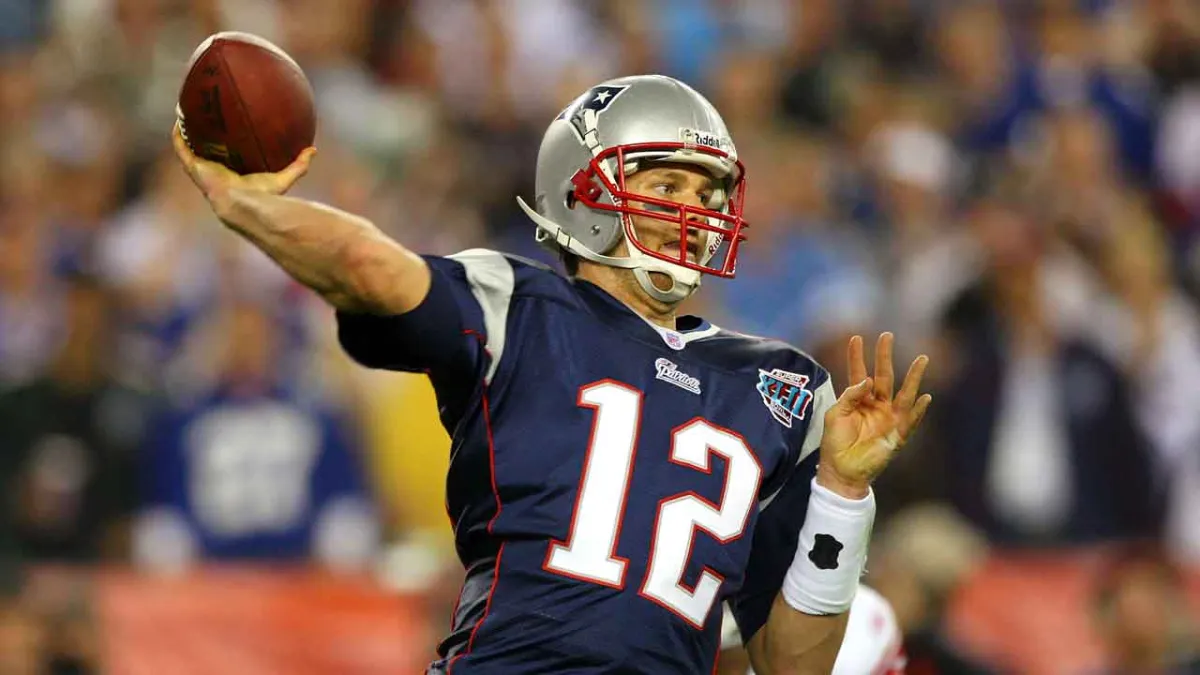 Photo: Tom Brady, via static.foxnews.com
The Reality Check: Brady wasn't the most talented quarterback on his own college team. NFL scouts saw a slow, unimpressive prospect who lasted until the 199th pick in the 2000 draft.
The Response: Brady turned every snub into motivation. He kept a chip on his shoulder about being overlooked, using it to fuel a legendary work ethic that produced seven Super Bowl championships.
"I felt like I proved I could play, but I was never the guy they wanted to be the guy," Brady reflected years later. "That feeling never left me. Even when I was winning Super Bowls, I remembered being the backup."
The quarterback who wasn't good enough for Michigan became the greatest winner in NFL history. Every touchdown pass was proof that Coach Carr had been wrong.
3. Stephen Curry – Too Small for the Big Stage
The Rejection: Despite leading his high school team to three conference titles, Curry received no scholarship offers from major Division I programs. Virginia Tech, his father's alma mater and dream school, told him he was too small and weak to play ACC basketball.
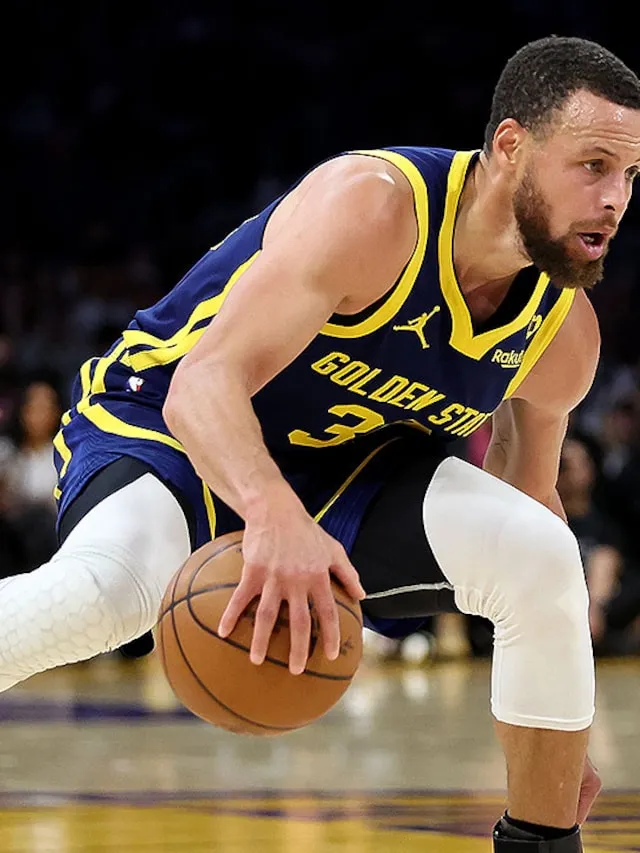 Photo: Stephen Curry, via cdn.nba.com
The Reality Check: At 6'0" and 160 pounds, Curry looked more like a student manager than a future NBA star. College coaches saw his size, not his skill.
The Response: Curry accepted a scholarship to Davidson College and proceeded to rewrite the record books. He led the Wildcats to the Elite Eight as a sophomore, averaging 25.9 points per game and becoming a national sensation.
"I wanted to prove that I belonged on that level," Curry said about his college motivation. "Every game was a chance to show those coaches who didn't recruit me that they made a mistake."
The kid deemed too small for major college basketball became a two-time NBA MVP and revolutionized how the game is played.
4. Jerry Rice – The Small School Receiver
The Rejection: Rice received only one Division I scholarship offer – from Mississippi Valley State, a historically black university that most scouts ignored. Major programs like Mississippi and Mississippi State, in his home state, never recruited him.
The Reality Check: Rice played at a tiny school in the Mississippi Delta. NFL scouts rarely ventured to Itta Bena to watch games, assuming the talent level was too low to matter.
The Response: Rice used the isolation as motivation, catching 301 passes for 4,693 yards and 50 touchdowns in college. He turned Mississippi Valley State into "Rice University," single-handedly putting the school on the football map.
"I felt like I had to prove myself every single day," Rice remembered. "Nobody was paying attention to us, so every catch, every touchdown was a message that we belonged."
The receiver nobody recruited became the greatest pass-catcher in NFL history, with records that may never be broken.
5. Scottie Pippen – The Walk-On Who Walked Into History
The Rejection: Pippen wasn't recruited by any major college programs out of high school. He walked on at the University of Central Arkansas as a 6'1" point guard, with coaches unsure if he was even good enough to make the team.
The Reality Check: Pippen was from tiny Hamburg, Arkansas (population 3,000), and looked more like a cross-country runner than a basketball player. No major program had even heard of him.
The Response: Pippen grew six inches in college and transformed himself into a versatile forward. He led Central Arkansas to the NAIA playoffs and caught the attention of NBA scouts who initially came to watch other players.
"I was just trying to prove I belonged on the court," Pippen said. "Every practice, every game was about showing I could compete with anyone."
The walk-on from nowhere became a six-time NBA champion and one of the greatest two-way players in basketball history.
6. Johnny Unitas – The Quarterback Pittsburgh Didn't Want
The Rejection: Unitas was cut by the Pittsburgh Steelers in 1955 without throwing a single pass in a regular season game. Coach Walt Kiesling told him he wasn't smart enough to play quarterback in the NFL.
The Reality Check: Unitas was a ninth-round draft pick from Louisville who looked uncomfortable in Pittsburgh's system. The Steelers had four other quarterbacks they liked better.
The Response: Unitas played semi-professional football for the Bloomfield Rams, earning $6 per game while working construction. When Baltimore called a year later, he was ready.
"Getting cut was the best thing that happened to me," Unitas later reflected. "It made me hungry in a way I'd never been before. I wasn't going to waste a second chance."
The quarterback Pittsburgh didn't want became a three-time NFL MVP and revolutionized the passing game.
7. Andre Agassi – The Tennis Prodigy Who Wasn't Good Enough
The Rejection: At age 13, Agassi was kicked out of the prestigious Nick Bollettieri Tennis Academy. Bollettieri told his father that Andre lacked the discipline and mental toughness to become a professional player.
The Reality Check: Agassi was talented but unfocused, more interested in his image than improving his game. Bollettieri saw a kid who would waste his natural ability.
The Response: The rejection forced Agassi to confront his attitude toward tennis. He returned to Las Vegas, worked with local coaches, and developed the mental discipline that Bollettieri said he lacked.
"Being kicked out was humiliating," Agassi wrote in his autobiography. "But it also woke me up. I realized I'd been taking my talent for granted."
The kid who wasn't disciplined enough for tennis academy became a eight-time Grand Slam champion and one of the most beloved players in tennis history.
The Cut That Cuts Both Ways
These stories share a common thread: rejection forced each athlete to develop something they might never have found otherwise. Michael Jordan's competitive fire, Tom Brady's relentless preparation, Stephen Curry's creative shooting – these defining characteristics were forged in the furnace of being told "no."
"Getting cut teaches you that nothing is guaranteed," says sports psychologist Dr. Jim Afremow. "It strips away entitlement and forces athletes to earn everything they achieve. That mindset becomes incredibly powerful."
The coaches who cut these future champions weren't necessarily wrong in their assessments. They were evaluating current ability, not future potential. But their rejections created something more valuable than roster spots – they created champions with something to prove.
The Lesson in the List
Every champion's journey includes moments of doubt, rejection, and failure. The difference between those who rise and those who fade isn't talent – it's how they respond when someone says they're not good enough.
These seven athletes turned their cuts into comebacks, their rejections into rocket fuel. They proved that sometimes the most important person to believe in your dreams is yourself – especially when everyone else has stopped believing.
As Michael Jordan put it best: "I've failed over and over and over again in my life. And that is why I succeed."
Sometimes getting cut is the first step toward becoming unbreakable.