When the Dust Settles Different
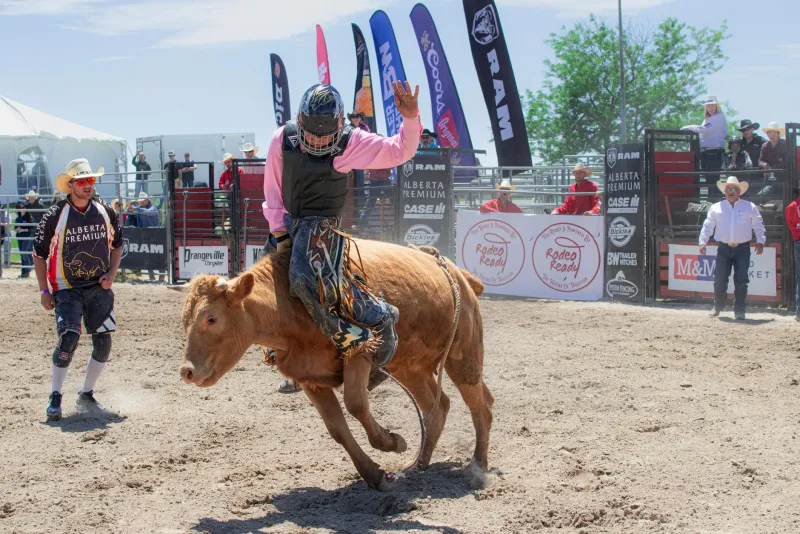
The bull weighed 1,800 pounds and moved like lightning. Jake Morrison had seen thousands just like him over eight years of working rodeos across the Mountain West. But on that October night in Cheyenne, something went wrong. The bull's horn caught Morrison's left shoulder and sent him spinning into the arena wall with a crack that silenced 12,000 fans.
Lying in the dirt, Morrison knew his rodeo clown days were over. What he didn't know was that his real career was just beginning.
"I thought I was washed up at twenty-eight," Morrison recalls from his office at Denver General Hospital, where he's been performing neurosurgery for twelve years. "Turns out getting trampled was the best thing that ever happened to me."
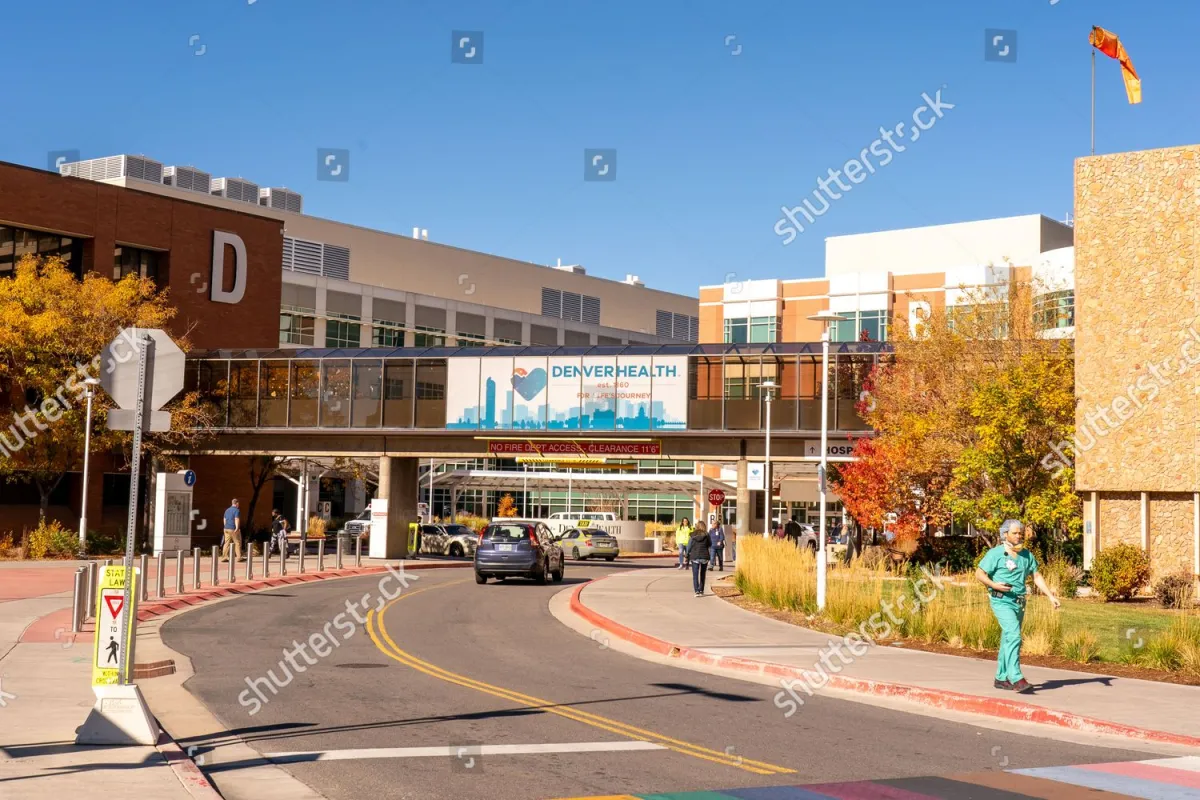 Photo: Denver General Hospital, via editorial01.shutterstock.com
The Classroom Nobody Talks About
Most people see rodeo clowns as entertainers. Morrison sees them as emergency medical technicians in face paint. For eight years, he'd studied anatomy the hard way – watching 200-pound cowboys get launched by animals that could crush cars. He learned to read body language, anticipate disaster, and make split-second decisions that meant the difference between a cowboy walking away or leaving on a stretcher.
"Every ride taught me something about the human body," Morrison explains. "You see a guy land wrong, you know immediately what's broken. You watch enough impacts, you understand trauma better than most ER doctors."
The skills went deeper than medical knowledge. Rodeo clowns work in chaos. Bulls don't follow scripts. When 1,800 pounds of angry beef is charging at you, there's no time for hesitation. Morrison learned to think clearly under pressure, to trust his instincts, and to never, ever panic.
"Surgery is just rodeo with better lighting," he jokes. "Same adrenaline, same need for perfect timing. The only difference is nobody's trying to step on you. Usually."
The Longest Eight Seconds
After the injury, Morrison spent six months in physical therapy. The shoulder healed, but something had changed. For the first time since high school, he found himself thinking about his abandoned pre-med dreams. His parents had pushed college, but the rodeo circuit had called louder. Now, facing an uncertain future, those old ambitions stirred again.
At twenty-nine, Morrison enrolled at Colorado State University. He was older than his professors and had to relearn study habits he'd never really developed. But the arena had taught him persistence. "I'd spent eight years getting back up after being knocked down," he says. "College was just a different kind of rough ride."
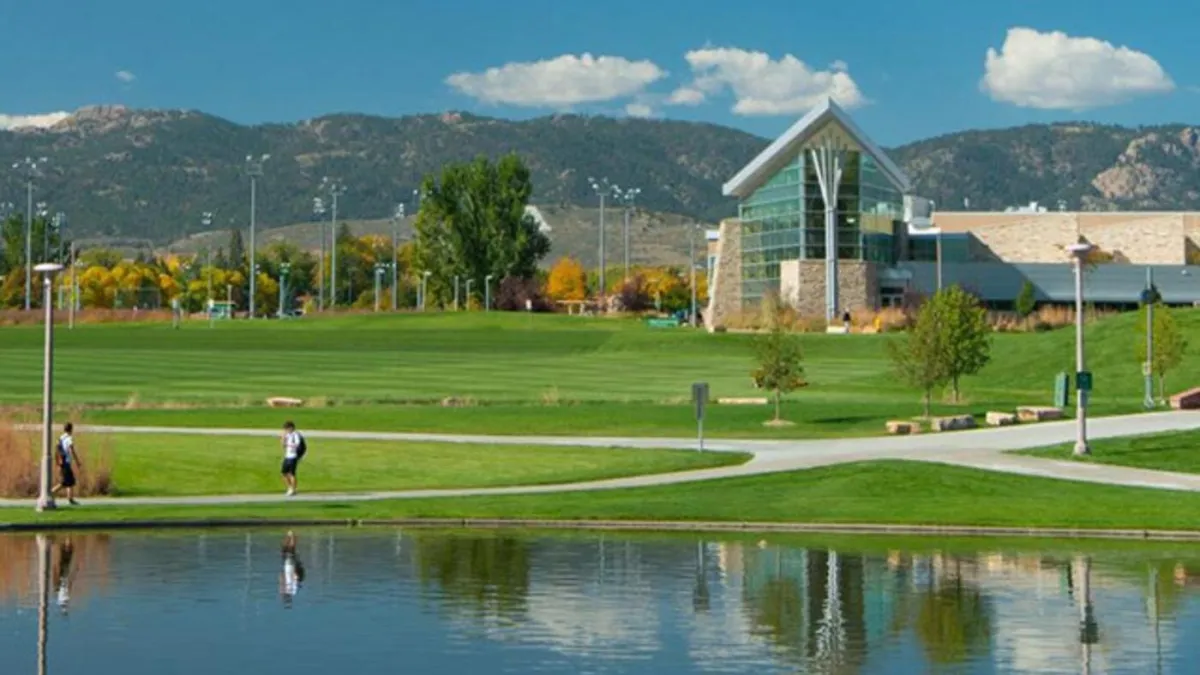 Photo: Colorado State University, via www.canamgroup.com
The other students thought he was crazy. A former rodeo clown in organic chemistry? But Morrison had advantages they couldn't see. He'd spent years making life-or-death decisions in seconds. Memorizing molecular structures felt easy compared to reading a bull's body language at full charge.
Operating Under Pressure
Medical school at the University of Colorado came next. Morrison was thirty-three, married, with two young kids. While classmates stressed about their first time holding a scalpel, Morrison drew on muscle memory built in dusty arenas. The steady hands that had guided countless bulls away from fallen riders proved perfect for delicate procedures.
"The first time I opened someone's skull, I wasn't nervous," Morrison remembers. "I'd seen worse injuries ringside. At least this time, I had the tools to fix them."
His residency supervisors noticed something different about the former cowboy. Where other residents froze during emergency procedures, Morrison stayed calm. When complications arose in surgery, he adapted instantly. The arena had taught him that plans change fast, and the best response is fluid thinking, not rigid protocol.
"Jake had this unusual composure," recalls Dr. Sarah Chen, who supervised Morrison's neurosurgery residency. "Most residents get rattled by unexpected bleeding or equipment failures. Jake would just adjust and keep working. It was like he'd seen it all before."
Full Circle
Today, Morrison splits his time between Denver General's trauma center and a private practice specializing in spinal injuries. Many of his patients are athletes – football players with concussions, skiers with broken backs, and yes, occasionally, rodeo cowboys with familiar injuries.
"When I tell patients I used to be a rodeo clown, they think I'm joking," Morrison says. "Then I start describing their injury in detail, and they realize I've literally seen this exact thing happen a hundred times."
The operating room walls are decorated with photos from both careers – Morrison in face paint dodging bulls, and Morrison in scrubs saving lives. To him, they're the same story told in different chapters.
"People think I gave up rodeo for medicine," he reflects. "Truth is, I just moved my practice indoors. I'm still protecting people from getting hurt. I'm still working under pressure. I'm still trying to make sure everyone goes home safe."
The bull that ended Morrison's first career gave him his second one. Sometimes the best classroom is the one that knocks you down first.
The Lesson in the Dirt
Morrison's story challenges everything we think we know about preparation and career paths. While his classmates spent decades in traditional academic settings, he learned precision and pressure management in the most chaotic environment imaginable. His medical expertise didn't come despite his rodeo background – it came because of it.
"The arena taught me that every second matters," Morrison concludes. "Whether it's a bull rider about to get stomped or a patient bleeding on my table, hesitation kills. The dirt taught me to trust my hands and my instincts. Turns out that's exactly what surgery requires."
In a world obsessed with conventional paths to success, Jake Morrison proves that sometimes the most unlikely classroom provides the best education. From dirt to diplomas, his journey shows that expertise can come from anywhere – even from the business end of an angry bull.