The Midnight Scholar
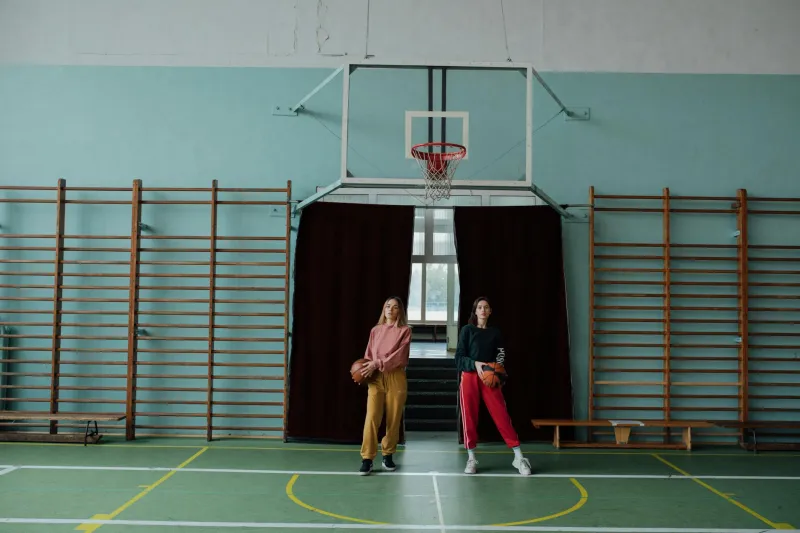
Carlos Mendoza's first night at Jefferson High School, he discovered something the day shift had missed for months. Tucked behind the old film projector in the gymnasium storage room were dozens of basketball game films, gathering dust like forgotten textbooks. The previous coach had left them behind when he'd taken a job in Dallas, and nobody had bothered to clean them out.
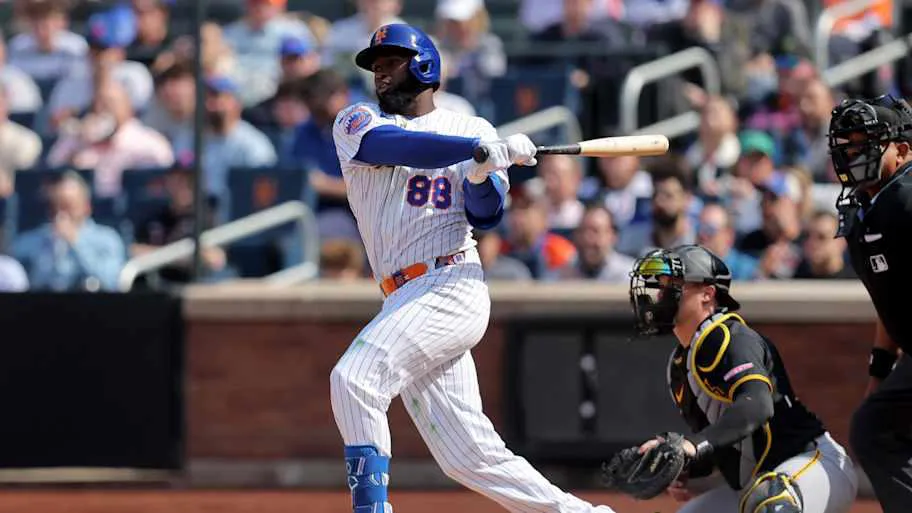 Photo: Carlos Mendoza, via img-s-msn-com.akamaized.net
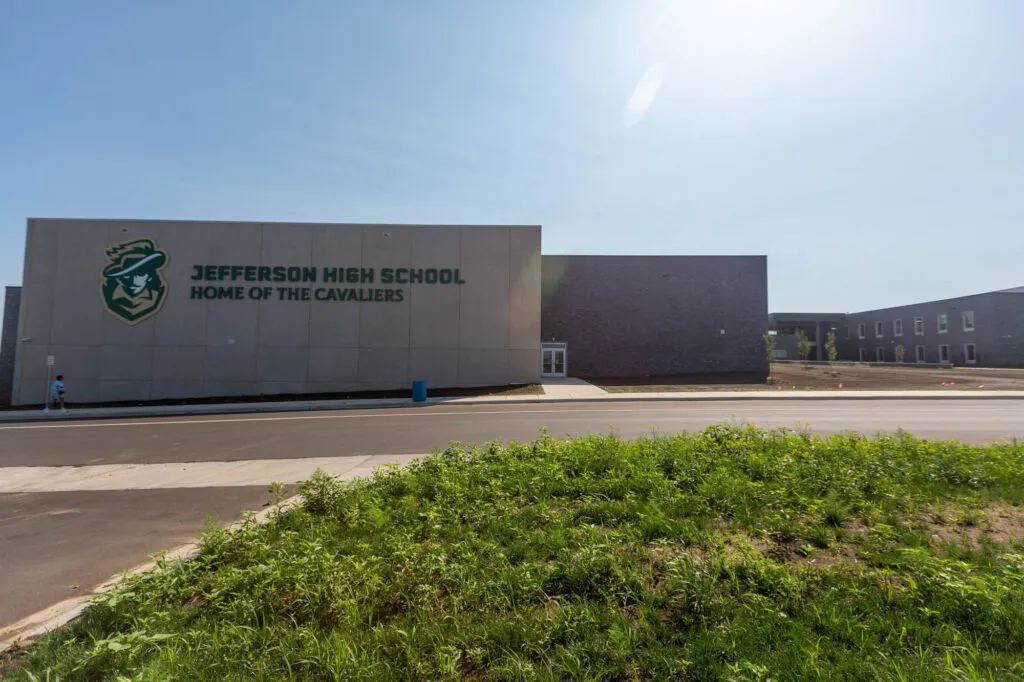 Photo: Jefferson High School, via www.siouxfalls.business
Carlos was supposed to mop the floors, empty the trash, and lock up by dawn. Instead, he found himself threading 16mm film reels onto the ancient projector, watching grainy footage of high school basketball games from the late 1970s and early 1980s. He didn't understand the commentary—his English was limited to "yes," "no," and "thank you"—but basketball, he discovered, was a language that needed no translation.
The Accidental Education
For three years, Carlos turned the Jefferson High gymnasium into his private university. After finishing his cleaning duties, he'd study those forgotten films until sunrise, rewinding key plays, analyzing strategies, learning the subtle chess match that happened between the obvious action.
He watched how successful teams moved without the ball, how they created scoring opportunities through patience rather than athleticism. He studied defensive rotations, offensive spacing, the psychology of timeout speeches. Most importantly, he observed how great coaches managed their players' emotions during crucial moments.
Carlos had played soccer growing up in Guatemala, but he'd never touched a basketball. That didn't matter. What he lacked in playing experience, he made up for with obsessive attention to detail. He filled notebook after notebook with observations, drawing diagrams of plays he'd seen work repeatedly in the films.
The Desperate Gamble
In December 1994, Jefferson High's basketball program hit rock bottom. The varsity coach had quit mid-season after a heated argument with the principal. The junior varsity coach was overwhelmed trying to manage both teams. The Mustangs had lost eleven straight games and were facing forfeiture of their district schedule.
Principal Margaret Foster was out of options when she encountered Carlos in the hallway one evening. She'd noticed him working later than usual, sometimes hearing the projector running in the gym well past midnight. On impulse, she asked him what he was watching.
Carlos's English had improved dramatically over three years of night classes at the community college, but he still struggled to explain his obsession with those old basketball films. Instead, he showed her his notebooks—hundreds of pages of plays, strategies, and observations written in careful handwriting.
Foster made a decision that would have been impossible at a wealthier school with more options: she asked Carlos if he'd be willing to help coach the team.
The Unlikely Mentor
Carlos's first practice was a disaster. The players—mostly African American and Latino kids from working-class families—didn't know what to make of the soft-spoken janitor who suddenly appeared with a clipboard and a thick accent. Some parents threatened to pull their kids from the team.
But Carlos had learned something crucial from those midnight film sessions: basketball success came from understanding players as individuals, not just as athletes. He spent his first weeks learning each player's story, their family situations, their academic struggles, their dreams beyond high school.
Jamal Washington was the team's best player but struggled with anger management. Carlos worked with him on breathing techniques he'd observed successful players use during pressure situations. Maria Santos was the team's point guard but lacked confidence in her leadership abilities. Carlos showed her film clips of great floor generals, helping her understand that leadership came through actions, not words.
The System
Carlos's coaching philosophy was built entirely on patterns he'd identified in those forgotten films. He didn't have the budget for fancy equipment or recruiting trips, so he focused on fundamentals that required only effort and intelligence: ball movement, defensive positioning, reading opponents' tendencies.
His practices were different from anything the players had experienced. Instead of running endless drills, Carlos taught basketball like chess, showing players how to think three moves ahead. He'd pause scrimmages to explain why certain decisions led to good or bad outcomes, connecting real-time action to principles he'd learned from studying hundreds of hours of film.
The transformation wasn't immediate, but it was steady. Jefferson High started winning games they had no business winning, beating teams with better athletes through superior preparation and execution.
The Impossible Run
By February 1995, Jefferson High had climbed from last place to a playoff spot. Local media began paying attention to the "janitor coach" who was turning around one of the district's worst programs. Carlos deflected credit to his players, but his strategic innovations were becoming impossible to ignore.
He'd developed a defensive system based on patterns he'd observed in those old films—a hybrid zone that confused opponents who'd never seen anything like it. His offensive philosophy emphasized ball movement and patience, wearing down more athletic teams through superior conditioning and execution.
The playoff run became the stuff of local legend. Jefferson High knocked out three higher-seeded teams on their way to the state semifinals, each victory built on the foundation Carlos had constructed during those midnight study sessions in the gymnasium.
The Championship
The state championship game pitted Jefferson High against Westlake Academy, a private school with a $2 million gymnasium and a coaching staff that included former college players. On paper, it wasn't even a contest.
Carlos's game plan was vintage Carlos: meticulous preparation, emotional intelligence, and unshakeable belief in his players' ability to execute under pressure. He'd studied film of Westlake's previous games, identifying weaknesses in their defensive rotations that could be exploited through patient ball movement.
Jefferson High won 67-64, with the game-winning shot coming from a play Carlos had first seen in a dusty film reel from 1979. As confetti fell and his players celebrated, Carlos thought about those lonely nights in the gymnasium, learning basketball from coaches who never knew they were teaching him.
The Legacy
Carlos Mendoza coached Jefferson High for twelve more years, winning three more state championships and sending dozens of players to college on basketball scholarships. His success opened doors for other immigrant coaches across Texas, proving that basketball expertise could come from the most unexpected places.
But his real legacy lies in what his story reveals about learning and opportunity in America. Carlos's path to coaching success wasn't conventional—it was built on curiosity, persistence, and the willingness to find education wherever it existed, even in forgotten film reels gathering dust in a storage room.
His championship banner still hangs in Jefferson High's gymnasium, a reminder that sometimes the most profound teaching happens after hours, when the only student is someone everyone assumed wasn't paying attention.