Before Sunrise: The Sanitation Worker Who Turned Trash Into Platinum Records
The 4 AM Symphony
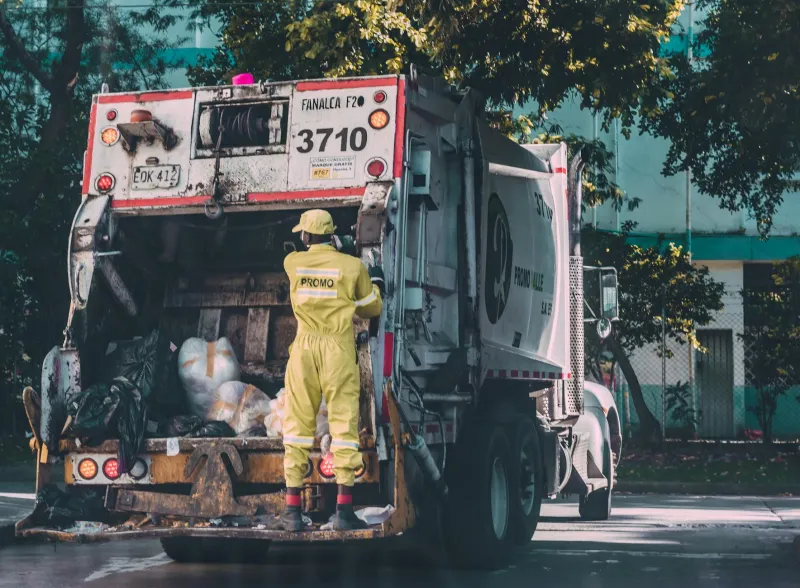
The alarm buzzed at 3:30 AM, same as it had for twelve years. Willie Henderson rolled out of bed in his cramped Memphis apartment, pulled on his orange safety vest, and prepared for another day that most of the city would never see. By 4 AM, he was behind the wheel of his garbage truck, navigating the empty streets while the rest of Memphis dreamed.
But Willie wasn't just collecting trash. He was collecting stories.
Every discarded receipt told a tale. Every crumpled note revealed a moment of human drama. And somewhere between the predawn darkness and the first rays of sunlight, Willie began writing it all down—on napkins, on the backs of envelopes, on whatever scraps of paper crossed his path that weren't too soiled to use.
"People throw away their whole lives," Willie would later reflect. "Love letters, shopping lists, kids' drawings, business cards from dreams that didn't work out. I started seeing patterns in what folks valued enough to keep and what they were willing to let go."
The Invisible Advantage
Working sanitation gave Willie something most songwriters never have: complete invisibility. He could observe Memphis at its most honest—before the city put on its daytime face. He witnessed domestic disputes spilling onto front porches, saw which houses had the lights on too late or too early, noticed which neighborhoods celebrated and which ones grieved.
"Nobody sees the garbage man," Willie explains. "We're like ghosts. But ghosts see everything."
This invisibility became his superpower. While other aspiring songwriters hung around recording studios hoping to make connections, Willie was collecting the raw material of human experience from the curb. His songs weren't about the music industry—they were about real people living real lives in a city that blues and soul built.
The lyrics came naturally. A discarded pregnancy test inspired a song about second chances. An eviction notice led to a ballad about resilience. A child's report card, thrown away in frustration, became an anthem about believing in tomorrow.
From Route to Recording Studio
For seven years, Willie wrote in secret. His route supervisor knew him as reliable and quiet. His neighbors saw him as the guy who worked early and minded his own business. Nobody knew that their garbage collector was crafting songs that would one day play on radio stations across the country.
The breakthrough came through pure Memphis serendipity. Willie was collecting from behind a recording studio when he heard a session musician complaining about needing "something real" for an upcoming album. Willie had been carrying a particularly strong song in his back pocket—literally written on the back of a restaurant receipt he'd found.
"I walked up to that back door and knocked," Willie remembers. "Figured the worst they could do was tell me to get back to my truck."
Instead, they listened. The song, "Before the Sun Comes Up," captured something authentic about working-class Memphis that resonated immediately. Within a month, it was recorded. Within six months, it was climbing the charts.
The Double Life
Success didn't come overnight, and Willie didn't quit his day job—not yet. For three years, he lived a double life that would make any superhero proud. By day, he collected Memphis's refuse. By night and weekend, he collected royalty checks and writing credits.
"My supervisor couldn't understand why I was always humming," Willie laughs. "I'd be driving the route, and one of my songs would come on the radio. Had to play it cool, but inside I was celebrating."
The songs kept coming, each one drawn from the well of human experience he encountered on his routes. "Midnight Groceries" told the story of single parents shopping after long shifts. "Empty Bottles, Full Hearts" captured the complexity of addiction and recovery he witnessed in the neighborhoods he served.
Record labels started calling. Not for Willie directly—few knew the garbage collector was behind the hits—but for more songs from the mysterious writer who seemed to understand American struggle with surgical precision.
Recognition and Transformation
The Grammy nomination changed everything. "Before the Sun Comes Up" was nominated for Song of the Year, and suddenly everyone wanted to know who Willie Henderson was. The revelation that Memphis's most authentic songwriter spent his days collecting garbage became a media sensation.
But Willie's story resonated for deeper reasons than its novelty. In an industry often criticized for being out of touch, here was someone who literally picked up the pieces of real American life every single day.
"The songs work because they're true," says Grammy-winning producer Marcus Johnson, who has worked with Willie on multiple projects. "When you're writing about struggle, it helps to know what struggle looks like at 5 AM on a Tuesday."
The View From the Top
Today, Willie Henderson has written songs for artists ranging from country legends to R&B superstars. His publishing catalog has generated millions in revenue, and he's been inducted into the Memphis Music Hall of Fame. He finally hung up his garbage collection route in 2019, but he hasn't forgotten the lessons learned in those predawn hours.
"People ask me if I miss it," Willie says about his sanitation days. "I miss the stories. I miss seeing the city when it was honest. But I learned that you can rise from anywhere—even from the stuff other people throw away."
His Memphis recording studio, built in the neighborhood where he used to collect garbage, offers free songwriting workshops for city workers and anyone else who feels invisible in their day job. The message is simple: your story matters, no matter where you're starting from.
In a business built on image and connections, Willie Henderson proved that sometimes the most powerful songs come from the most unlikely places—written on discarded napkins by someone the world never bothered to see, until his music made it impossible to look away.