The Weight of Necessity
In 1918, twelve-year-old Leroy Paige balanced fifty-pound peanut sacks on his shoulders at Mobile's railroad depot, earning nickels that meant the difference between eating and going hungry. The skinny kid from Down the Bay—Mobile's poorest neighborhood—had callused hands and an empty stomach, but he also had something else: an arm that could fire rocks with surgical precision.
While other kids played organized ball with real equipment, Paige improvised. He carved his own bats from tree branches, fashioned balls from rags and string, and turned bottle caps into strike zone targets. What looked like poverty-driven creativity was actually building the most unconventional—and effective—pitching mechanics in baseball history.
The Vacant Lot Laboratory
Behind the railroad station, Paige discovered his laboratory. Without coaches to correct his "wrong" techniques or scouts to impress, he experimented freely. He developed his famous hesitation pitch by accident—initially a timing mechanism to throw off neighborhood kids who knew his patterns. His sidearm delivery came from years of throwing around obstacles in cramped spaces.
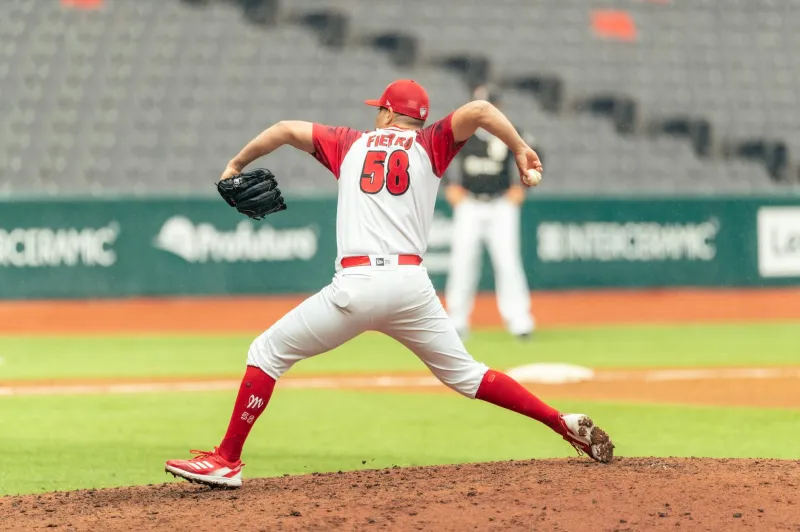
The boy who would become Satchel didn't know he was breaking conventional wisdom. He just knew what worked. His wind-up took forever by traditional standards, but it created deception that formal coaching might have eliminated. His follow-through looked awkward to purists, but it generated velocity that left batters guessing.
When Hunger Becomes Fuel
By fifteen, Paige was earning real money pitching for semi-pro teams around Alabama. The same poverty that forced him to work the railroad yards now motivated twelve-hour practice sessions. He'd throw at tin cans until his arm ached, then throw some more. Other players went home to dinner; Paige knew the longer he practiced, the better his chances of eating tomorrow.
His teammates called him obsessed. Local fans called him gifted. Neither group understood that Paige was simply applying the survival instincts learned in Down the Bay to baseball. Every pitch mattered because every game meant another meal, another day above water.
The Science of Self-Teaching
What Paige accomplished without formal instruction defied conventional baseball wisdom. He developed six distinct fastballs—each with different movement and velocity—by studying how grip pressure affected ball rotation. He created his "bee ball" (it would "bee" where you couldn't hit it) and "trouble ball" (trouble for the batter) through pure experimentation.
Modern biomechanics experts studying Paige's filmed performances note techniques that wouldn't be formally understood until decades later. His arm slot maximized deception while protecting his shoulder. His leg kick created momentum transfer that formal coaching often disrupts. The kid from the railroad yards had accidentally discovered optimal pitching mechanics through trial and error.
The Long Road to Recognition
Pagee's path to the majors took thirty years—not because he lacked talent, but because baseball's color barrier kept him in the Negro Leagues during his prime. He dominated hitters who would later star in the majors, traveled constantly, and pitched almost daily. The same endurance built hauling peanut sacks served him well throwing 200 games a year.
When Jackie Robinson broke baseball's color line in 1947, Paige was already forty-one. Most careers were over by then, but Paige's unconventional training had preserved his arm. He finally reached the majors in 1948 with Cleveland, becoming the oldest rookie in American League history.
The Lesson in the Legend
Pagee pitched professionally until age fifty-nine, long after contemporaries had retired. His longevity wasn't accidental—it was the product of mechanics developed through necessity rather than instruction. The boy who couldn't afford proper coaching had taught himself better than any formal program could.
His 1971 Hall of Fame induction came forty years after he'd first dominated professional hitters. The plaque mentions his "colorful personality" and "showmanship," but the real story is simpler: a hungry kid from Alabama's railroad yards who threw his way from poverty to immortality, proving that sometimes the best teacher is necessity itself.
Satchel Paige never forgot where he came from. Even as a major league star, he'd return to Mobile and throw to kids in the same vacant lots where he'd learned his craft. The message was clear: champions aren't born in fancy facilities—they're forged wherever someone refuses to accept limitations as permanent.
 Photo: Satchel Paige, via kidskonnect.com