The 4:30 AM Education
While most kids his age were still dreaming, thirteen-year-old Warren Buffett was already dressed and ready for work. By dawn, he'd have pedaled through five different neighborhoods in Omaha, delivering over 500 newspapers with military precision. This wasn't just a part-time job—it was his first business empire.
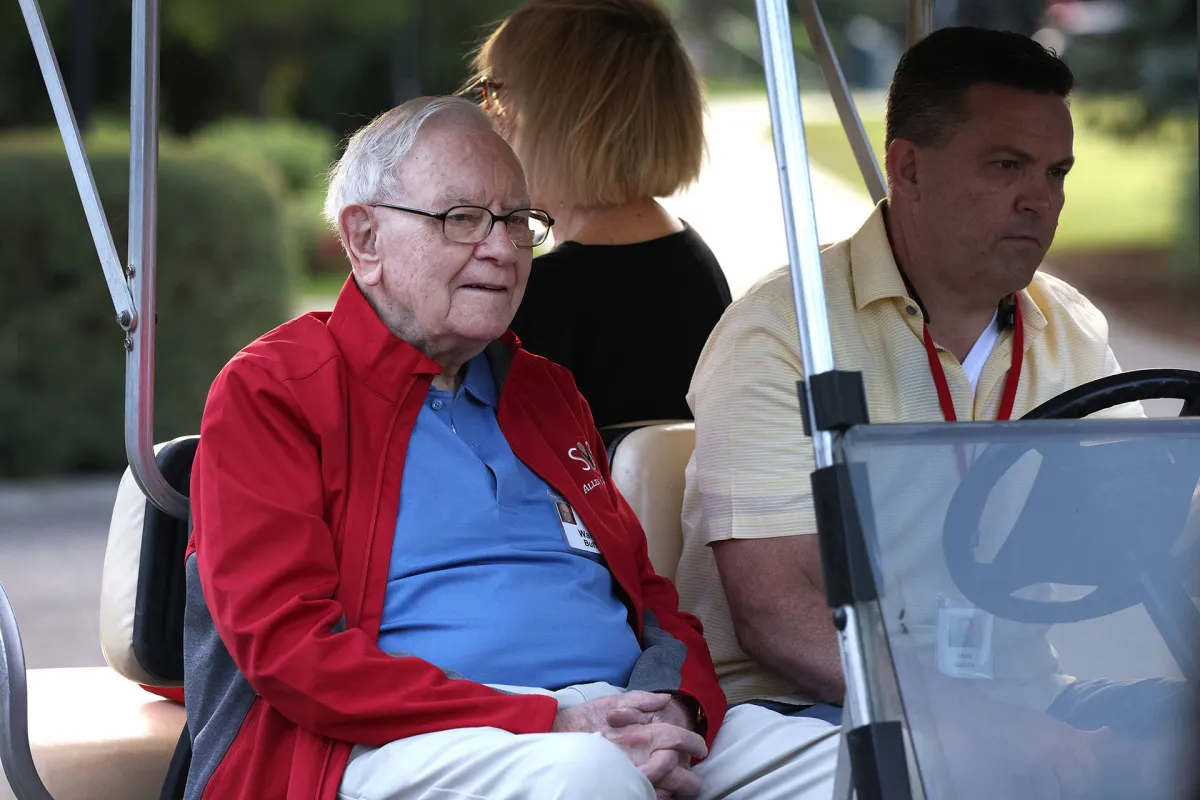 Photo: Warren Buffett, via wallpapers.com
Buffett treated his paper routes like a miniature corporation. He mapped the most efficient delivery paths, tracked customer preferences, and even studied which houses were most likely to tip during the holidays. When other paperboys complained about early mornings and angry customers, Buffett saw patterns, opportunities, and lessons in human behavior that would later make him billions.
"I learned that delivering papers was a business," Buffett would later recall. "And I learned that business was about understanding people."
The Pinball Machine Prophet
Most teenagers blow their earnings on candy and comic books. Buffett had different plans. With $1,200 saved from his paper routes—serious money for a kid in the 1940s—he made his first real investment: a used pinball machine.
But here's where the story gets interesting. Instead of keeping the machine for himself, Buffett placed it in a local barbershop and split the profits with the owner. Within months, he'd bought two more machines and placed them in other shops around Omaha. By age sixteen, he was earning more from his pinball business than most adults made at their day jobs.
This wasn't luck—it was pattern recognition learned from those early morning delivery routes. Buffett had spent years observing which neighborhoods had money, which businesses attracted steady customers, and how to build relationships with people who could help his ventures succeed.
Filing Taxes at Thirteen
Perhaps nothing captures young Buffett's unusual relationship with money like this fact: he filed his first tax return at age thirteen, claiming a $35 deduction for his bicycle and watch as business expenses.
While other kids were learning multiplication tables, Buffett was learning the tax code. He understood that every dollar saved was a dollar that could be reinvested. This obsession with efficiency and compound growth—concepts most people don't grasp until adulthood—became hardwired into his thinking during those formative paper route years.
The Cold Morning Advantage
There's something profound about starting your day in the dark, pedaling through empty streets while the rest of the world sleeps. It builds a particular kind of discipline—the ability to do necessary work when no one is watching, when it's uncomfortable, when every instinct tells you to stay in bed.
Buffett's paper routes taught him that the best opportunities often come disguised as tedious work. While his classmates slept in, he was learning about customer service, route optimization, and cash flow management. He was building the mental muscles that would later help him sit through thousands of annual reports, searching for undervalued companies that others had overlooked.
From Newspapers to Annual Reports
The leap from paperboy to investment legend might seem enormous, but the skills transfer more directly than you'd think. Both require getting up earlier than the competition. Both demand attention to detail and consistent execution. Both involve understanding human nature and building long-term relationships.
Most importantly, both require seeing value where others see only routine.
When Buffett reads through a company's financial statements today, he's using the same pattern-recognition skills he developed memorizing which customers paid on time and which houses had dogs that might bite. When he identifies an undervalued stock, he's applying the same systematic thinking he used to optimize his delivery routes for maximum efficiency.
The Compound Effect of Ordinary Work
Buffett's story challenges our assumptions about how extraordinary careers begin. We expect future billionaires to show early signs of genius—perfect test scores, prestigious internships, connections to wealth and power.
Instead, Buffett's origin story is radically ordinary: a middle-class kid doing unglamorous work with uncommon intensity. He didn't need venture capital or family connections. He needed a bicycle, a willingness to wake up before dawn, and the patience to let small advantages compound over time.
This is the real lesson of Buffett's paper routes. Greatness doesn't require perfect circumstances or natural gifts. It requires the discipline to do important work consistently, even when that work feels insignificant.
The Oracle's Real Secret
Today, when investors hang on Warren Buffett's every word at Berkshire Hathaway annual meetings, they're listening to someone whose foundational business education happened on the empty streets of 1940s Omaha. The patience, discipline, and systematic thinking that made him America's greatest investor weren't learned in business school or on Wall Street.
 Photo: Berkshire Hathaway, via freeduhm.com
They were learned one newspaper at a time, one cold morning at a time, by a teenager who understood that extraordinary results come from doing ordinary work extraordinarily well.
Every legend started somewhere unexpected. Sometimes that somewhere is as simple as a paper route and the willingness to see it as something more.