No Address, All Heart: Seven Olympic Champions Who Rose From the Streets
When Rock Bottom Becomes the Foundation
The Olympic rings represent the pinnacle of athletic achievement, but for some competitors, the path to those five circles runs through America's most difficult streets. These seven athletes didn't just overcome homelessness on their way to Olympic glory — they transformed their instability into an unshakeable foundation for success.
Their stories reveal a different kind of strength: the ability to find focus when everything else falls apart.
1. Lopez Lomong - The Lost Boy Who Found His Way Home
Sport: Track and Field (Distance Running)
Olympics: 2008 Beijing, 2012 London
Homeless Period: Ages 6-16, refugee camps in Kenya
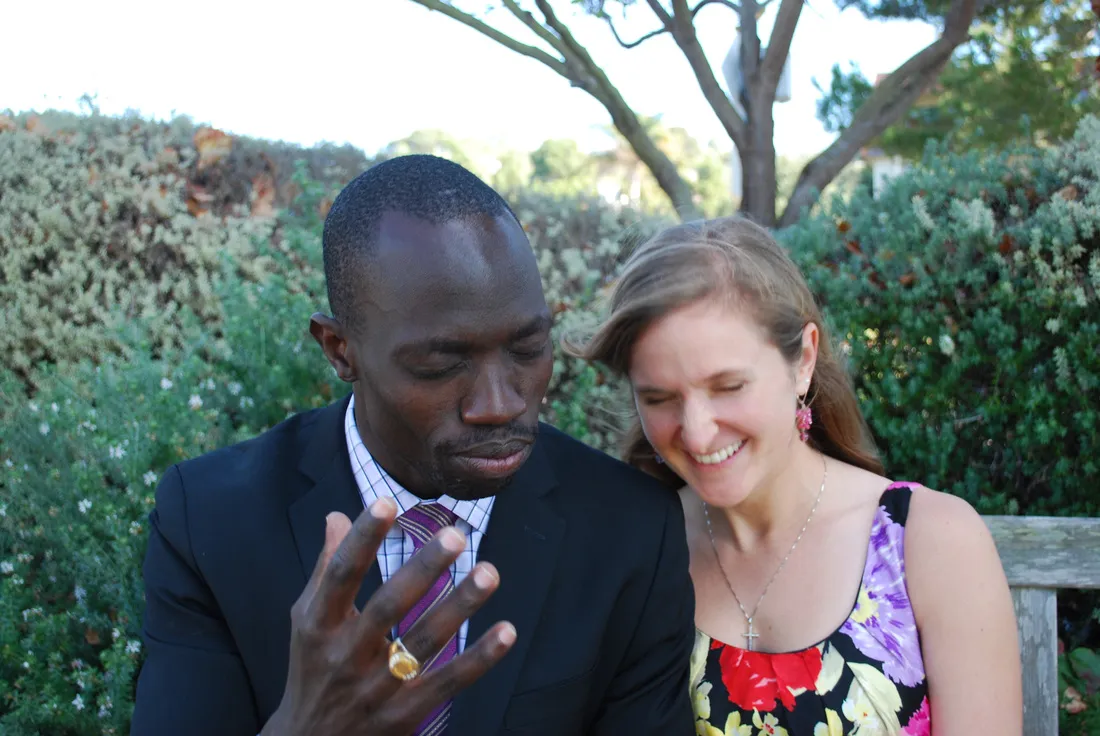 Photo: Lopez Lomong, via www.lopezlomong.com
 Photo: 2012 London Olympics, via img.olympics.com
Lopez Lomong's homelessness began when he was abducted from his village in Sudan at age six and forced to become a child soldier. He escaped and spent the next decade in Kenyan refugee camps, sleeping on dirt floors and surviving on one meal a day.
Running became his escape — literally. "In the camp, if you could run fast, you could get to the food distribution first," Lomong recalls. "Running meant survival."
When he was finally resettled in New York at age 16, Lomong had never seen a track or worn proper running shoes. But those years of running for his life had built something coaches couldn't teach: an absolute refusal to quit.
Lomong made three Olympic teams and carried the American flag in Beijing's opening ceremony. Today, he runs the Lopez Lomong Foundation, providing education and clean water to South Sudanese villages.
"Homelessness taught me that you can lose everything except your determination. That's enough to build a life on."
2. Claressa Shields - The Flint Fighter Who Punched Her Way Out
Sport: Boxing
Olympics: 2012 London, 2016 Rio
Homeless Period: Ages 11-17, intermittently
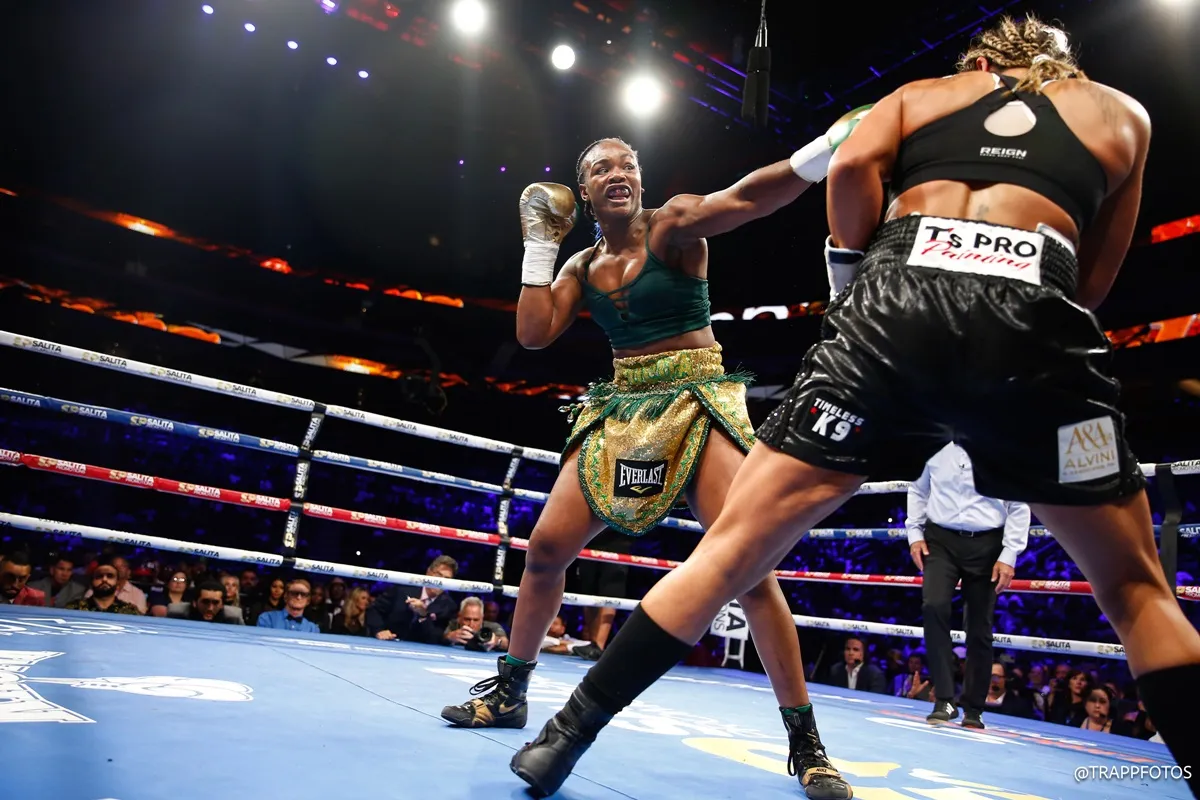 Photo: Claressa Shields, via d2fmj9q21jcbgm.cloudfront.net
Growing up in Flint, Michigan, Claressa Shields spent her teenage years moving between relatives' homes, friends' couches, and occasionally sleeping in cars. Her father was in prison, her mother struggled with addiction, and stability was a luxury they couldn't afford.
Shields discovered boxing at 11 when she followed her older brother to a gym. The sport gave her something she'd never had: a place where she belonged.
"The gym was the only place I felt safe," Shields remembers. "Some nights I'd stay there as long as they'd let me, just shadowboxing and hitting the heavy bag. It was better than going home to chaos."
Coach Jason Crutchfield recognized Shields' potential and her situation. He arranged for her to stay with boxing families when things got bad at home, creating the stability she needed to train.
Shields became the first American woman to win Olympic boxing gold, repeating the feat in 2016. She's now a professional world champion across multiple weight classes.
"Being homeless strips away everything except what really matters. For me, that was boxing. When that's all you have, you protect it with everything you've got."
3. Jordan Burroughs - The Camden Kid Who Wrestled His Way to Gold
Sport: Wrestling
Olympics: 2012 London (Gold Medal)
Homeless Period: Age 8-10, family eviction
Jordan Burroughs' family was evicted from their Camden, New Jersey apartment when he was eight. For two years, they moved between relatives' homes, homeless shelters, and temporary housing.
"I remember carrying my wrestling gear in a trash bag because we didn't have a proper bag," Burroughs recalls. "Sometimes I'd do homework in the shelter's common room after practice."
Wrestling became Burroughs' constant in an unstable world. No matter where his family slept that night, practice was always at the same time, same place. The wrestling room became his sanctuary.
His high school coach, Donnie Ackerman, noticed that Burroughs trained with an intensity that seemed almost desperate. "Jordan wrestled like his life depended on it," Ackerman remembers. "Later I understood why."
Burroughs earned a scholarship to the University of Nebraska, where he became a two-time NCAA champion. In 2012, he won Olympic gold in the 74kg freestyle division.
"When you've been homeless, you understand that everything can disappear overnight. So when you get an opportunity, you grab it with both hands and never let go."
4. Ibtihaj Muhammad - The Fencer Who Found Strength in Struggle
Sport: Fencing
Olympics: 2016 Rio
Homeless Period: Age 13-15, family foreclosure
Ibtihaj Muhammad's family lost their New Jersey home to foreclosure when she was 13. For two years, they lived in a series of temporary arrangements — friends' basements, extended family members' spare rooms, and brief stays in transitional housing.
Fencing was an expensive sport for a family without a permanent address, but Muhammad's coach at the Peter Westbrook Foundation recognized her talent and waived fees. The fencing club became Muhammad's second home.
"I'd arrive early and stay late because it was quieter than wherever we were staying that week," Muhammad explains. "The club had consistency when nothing else in my life did."
Muhammad's homeless experience taught her to find focus amid chaos — a skill that proved invaluable in fencing, where mental composure is everything.
She became the first Muslim American woman to compete in the Olympics wearing a hijab, winning a team bronze medal in sabre.
"Homelessness teaches you that home isn't a place — it's a feeling of belonging. I found that belonging in fencing."
5. Rulon Gardner - The Wyoming Farm Boy Who Lost Everything and Won Gold
Sport: Wrestling
Olympics: 2000 Sydney, 2004 Athens
Homeless Period: Age 32-34, post-Olympic financial ruin
Runlon Gardner's homelessness came after his Olympic success, not before. Following his stunning upset of Russian legend Aleksandr Karelin at the 2000 Olympics, Gardner made poor financial decisions that left him bankrupt and homeless by 2012.
He lived in his truck for months, sleeping in gym parking lots and truck stops across Wyoming. The man who had once been on Wheaties boxes was reduced to asking for odd jobs to buy food.
"I went from the top of the world to having nothing," Gardner recalls. "But that experience taught me what I was really made of."
Gardner used his wrestling discipline to rebuild his life. He started a landscaping business, living modestly and working his way back to stability. His Olympic medals, which he had pawned during his financial crisis, were eventually returned by the pawn shop owner who recognized their significance.
"Losing everything showed me that my worth wasn't in my bank account or my fame. It was in my ability to get back up and keep fighting."
6. Tamyra Mensah-Stock - The Texas Wrestler Who Turned Pain into Power
Sport: Wrestling
Olympics: 2021 Tokyo (Gold Medal)
Homeless Period: Age 16-18, family displacement
Tamyra Mensah-Stock's family was displaced from their Texas home following her father's death when she was 16. For two years, she lived with different family members and friends while trying to maintain her wrestling career.
"Some weeks I'd be staying with my aunt, other weeks with a teammate's family," Mensah-Stock remembers. "I kept my wrestling gear in my car because I never knew where I'd be sleeping."
Her high school wrestling coach, Tyrone Reed, became a stabilizing force, ensuring she had transportation to practice and tournaments. Reed recognized that wrestling was more than a sport for Mensah-Stock — it was her anchor.
Mensah-Stock earned a scholarship to Wayland Baptist University and later transferred to Texas Tech. In 2021, she became the first Black woman to win Olympic gold in wrestling.
"Wrestling saved my life during the hardest time. When everything else was uncertain, I could step on that mat and know exactly who I was."
7. Ryan Crouser - The Shot Putter Who Found His Strength in Struggle
Sport: Track and Field (Shot Put)
Olympics: 2016 Rio, 2021 Tokyo (both Gold)
Homeless Period: Age 19-20, family financial crisis
Ryan Crouser's family lost their Oregon farm to bankruptcy when he was a sophomore at the University of Texas. For a year, he lived out of his car while continuing his track and field career, sleeping in campus parking lots and showering at the athletic facilities.
"I'd park behind the stadium and sleep in my backseat," Crouser recalls. "I was too proud to tell anyone what was happening at home."
Crouser's throws coach, Mario Sategna, eventually discovered his living situation and arranged for him to stay with other athletes. But those months of uncertainty had already changed Crouser's approach to training.
"When you've slept in your car, every day in a real bed feels like a gift," Crouser explains. "Every meal, every practice, every opportunity becomes precious."
Crouser transferred to the University of Texas and became a two-time Olympic champion, setting multiple world records in the shot put.
"Homelessness stripped away my sense of entitlement. I learned that nothing is guaranteed, so you better make the most of every chance you get."
The Common Thread
These seven athletes share more than Olympic medals — they share an understanding that stability is earned, not given. Their homeless experiences taught them lessons that no coach could provide: how to find focus in chaos, how to protect what matters most, and how to keep moving forward when everything else falls apart.
Their stories remind us that champions aren't always forged in perfect training facilities with unlimited resources. Sometimes they're built in the most unlikely places, by people who understand that when you have nothing left to lose except your dreams, that's when you discover the true power of determination.
In a world that often assumes success requires privilege, these athletes proved that sometimes the greatest advantage is having nothing to fall back on except your own strength.